




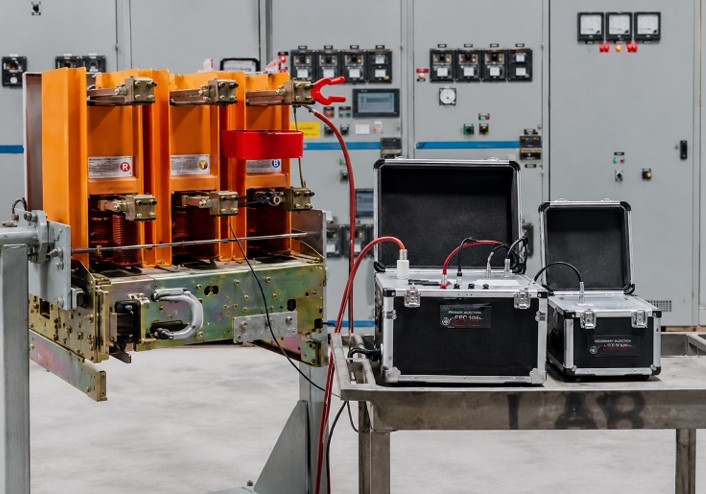
Circuit breakers are the last line of defence in an electrical system. When a fault occurs, the Air Circuit Breaker (ACB) or Vacuum Circuit Breaker (VCB) must trip within its designed time and interrupt the current safely. If it does not, the result can be equipment damage, fire, prolonged downtime or injury to personnel.
The trouble is that a breaker can sit idle for years and look perfectly healthy, then fail the moment it is needed. Regular testing is the only reliable way to know. The quality of that testing depends on who performs it, so choosing the right ACB and VCB testing service provider in India is an important decision for any plant, hospital, commercial building or data centre.
This guide explains what proper testing involves and how to evaluate a provider.
Why ACB and VCB Testing Matters
ACBs are widely used in low-voltage distribution panels, while VCBs are common in medium-voltage switchgear. Both contain mechanical parts, contacts, trip mechanisms and protection devices that wear or drift over time. Dust, humidity, heat, vibration and infrequent operation all affect performance.
Regular circuit breaker testing helps you:
- Confirm the breaker will operate correctly during a fault
- Detect contact wear, loose connections and mechanism problems early
- Prevent unplanned shutdowns and costly emergency repairs
- Support insurance and statutory compliance
- Extend the working life of switchgear
- Reduce the risk of arc flash and electrical fires
Testing is far cheaper than the downtime and damage caused by a single breaker failure.
What a Thorough ACB and VCB Testing Service Includes
Before comparing providers, understand what a complete test programme covers. Scope varies by breaker type and voltage level, but a competent provider should be able to perform and explain the following.
ACB testing service
- Visual and mechanical inspection of contacts, arc chutes, racking mechanism and interlocks
- Contact resistance measurement
- Insulation resistance testing
- Primary or secondary injection testing of the trip unit (overcurrent, short-circuit and earth fault settings)
- Operation and timing checks, including closing and tripping coil verification
- Cleaning, lubrication and re-torquing of connections
VCB testing service
- Insulation resistance and contact resistance measurement
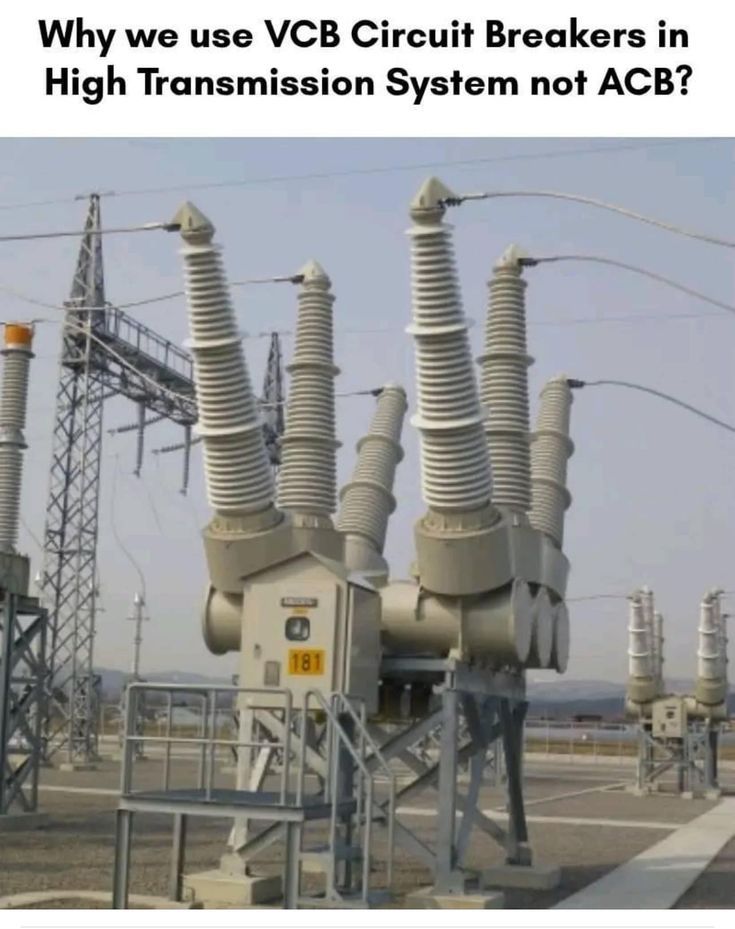
- Vacuum interrupter integrity check, typically through a high-voltage withstand test
- Opening and closing time measurement
- Trip and close coil checks, plus auxiliary contact verification
- Associated protection relay testing and CT/PT checks where required
- Mechanism inspection, lubrication and operational counter review
A provider who offers only a visual inspection or a quick insulation test is not delivering a full assessment.
Key Factors to Consider When Choosing a Provider
1. Technical Expertise and Experience
Ask about the engineers who will actually perform the work. Look for experience across multiple breaker makes and models, including both legacy and modern units. A good team can also interpret results, not just record them, and can tell you whether a breaker needs adjustment, refurbishment or replacement.
2. Calibrated and Traceable Instruments
Test results are only as reliable as the instruments behind them. Contact resistance meters, timing analysers, insulation testers, relay test sets and high-voltage test equipment must be properly calibrated. Ask whether the provider uses NABL-traceable calibrated instruments and whether calibration certificates are available on request.
3. Standards-Based Methodology
Testing should follow recognised standards and manufacturer guidelines, such as relevant IS and IEC standards for switchgear and breakers. Ask how the provider selects acceptance criteria and compares results against manufacturer data or previous test records.
4. Independence
A provider that also sells breakers, spares or replacement panels may have an incentive to recommend replacement. An independent testing company reports what it finds without a commercial interest in the outcome. Independence is especially valuable when results will be shared with insurers, auditors or regulators.
5. Quality of Reporting
The report is the real deliverable. A good test report should include:
- Equipment details and nameplate data
- Measured values for every test performed
- Comparison against acceptable limits
- Clear pass/fail or condition status
- Photographs of observations where relevant
- Prioritised recommendations for corrective action
Ask to see a sample report before you hire. If it is vague or has only a checklist of ticks, expect little value from it.
6. Safety Practices
Breaker testing involves live panels and high-voltage equipment. The provider should follow documented safety procedures, use appropriate PPE and have trained, qualified personnel. Ask about permit-to-work practices and how they coordinate shutdowns with your operations team.
7. Pan-India Capability and Responsiveness
If you operate multiple sites, a provider with field teams across India ensures consistent methods and reports. Check how quickly they can mobilise for scheduled maintenance windows and emergency breakdowns.
8. Complementary Services
Breaker testing rarely stands alone. Providers that also handle transformer testing, relay testing, thermography, power quality analysis and electrical safety audits can give you a more complete picture of system health. This helps you plan electrical preventive maintenance as one coordinated programme rather than through several disconnected vendors.
Red Flags to Avoid
- No clear list of tests in the proposal
- Unwillingness to share calibration certificates or sample reports
- Pricing far below market with no explanation of scope
- Reports that contain no measured values
- Pressure to replace equipment without supporting test data
- Lack of safety documentation
How Often Should ACBs and VCBs Be Tested?
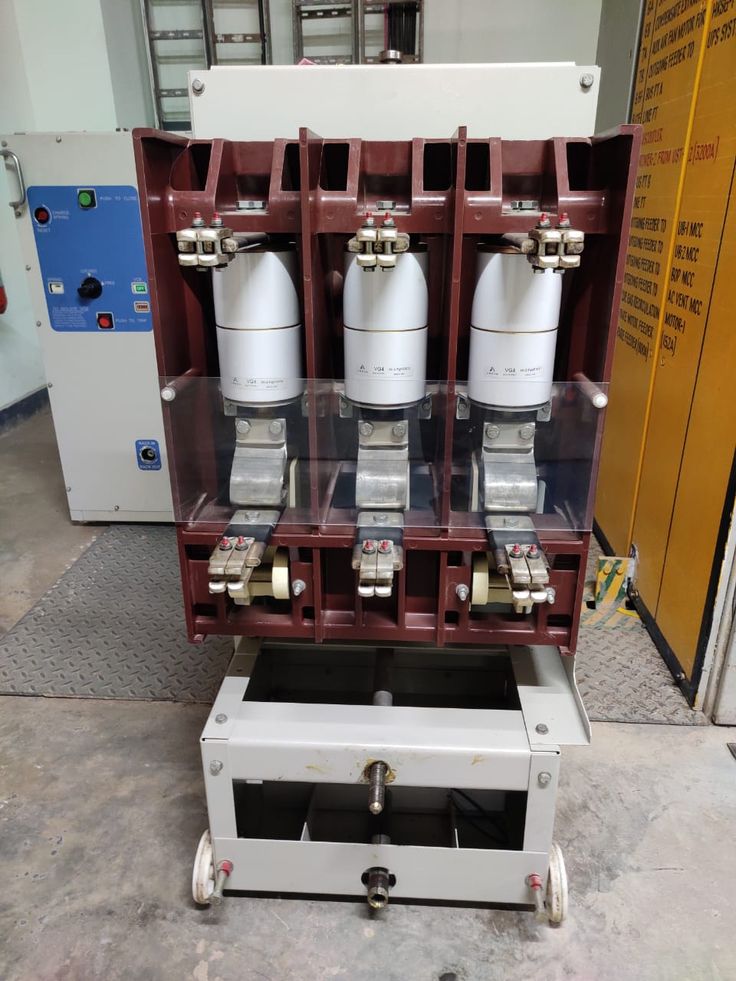
Frequency depends on duty, operating environment and manufacturer recommendations. Many facilities test annually as part of their preventive maintenance plan, with more frequent checks for critical loads or harsh environments. Breakers should also be tested after a fault trip, after repairs, and before commissioning.
Why Greenventum Powertech Solutions
Greenventum Powertech Solutions is an independent engineering audit and testing company serving industrial, commercial, institutional and infrastructure facilities across India. With NABL-calibrated instruments, qualified engineers and standards-referenced reporting, the company delivers measurement-based results you can rely on. Its ACB and VCB testing services sit alongside related offerings such as transformer testing, thermal scanning and electrical safety audits, so you can manage your switchgear health through a single trusted partner.
Final Thoughts
The right ACB and VCB testing service provider in India combines technical depth, calibrated instruments, independence, clear reporting and a strong safety culture. Take the time to ask the questions above, review a sample report and confirm the scope in writing. A careful selection today helps you avoid failures, protect your people and keep your facility running.
Ready to test your breakers? Contact Greenventum Powertech Solutions to discuss your requirements.
Comments are closed