





One of the primary causes for worker injuries, equipment damage, and workplace fires is electrical problems. The good things? A large proportion of them can be eliminated. You may identify hidden dangers before they become expensive accidents or shutdowns by using a simple and well-planned electrical safety inspection tool. A complete, user-friendly electrical safety audit checklist for manufacturers, audit frequency, typical faults, and Indian compliance advice are all included in this document.
What Is an Electrical Safety Audit Checklist?
A well organized listing called an factory electrical safety audit is used to look for dangers and compliance issues in a factory wiring, panels, earthing, machines, and protective devices. A minimum of once a year, and more often for high-load or high-risk buildings, factories must complete it.
Why Do Factories Need an Electrical Safety Audit?
Following a regular electrical safety audit checklist also gives you proof of compliance during inspections and insurance claims. Powerful electric motors, high-voltage electrical systems, and heavy equipment run constantly in industries. The electrical system weakens over time due to wear, heat, dust, and overloading.
A regular audit helps you:
- Prevent electrical fires and short circuits
- Protect workers from shocks and arc flash injuries
- Reduce unplanned downtime and repair costs
- Meet legal and insurance requirements
- Improve energy efficiency by finding overloaded circuits
Many insurers and safety regulators in India now expect documented electrical inspections, so a written audit record can protect your business.
Who Should Perform the Audit?
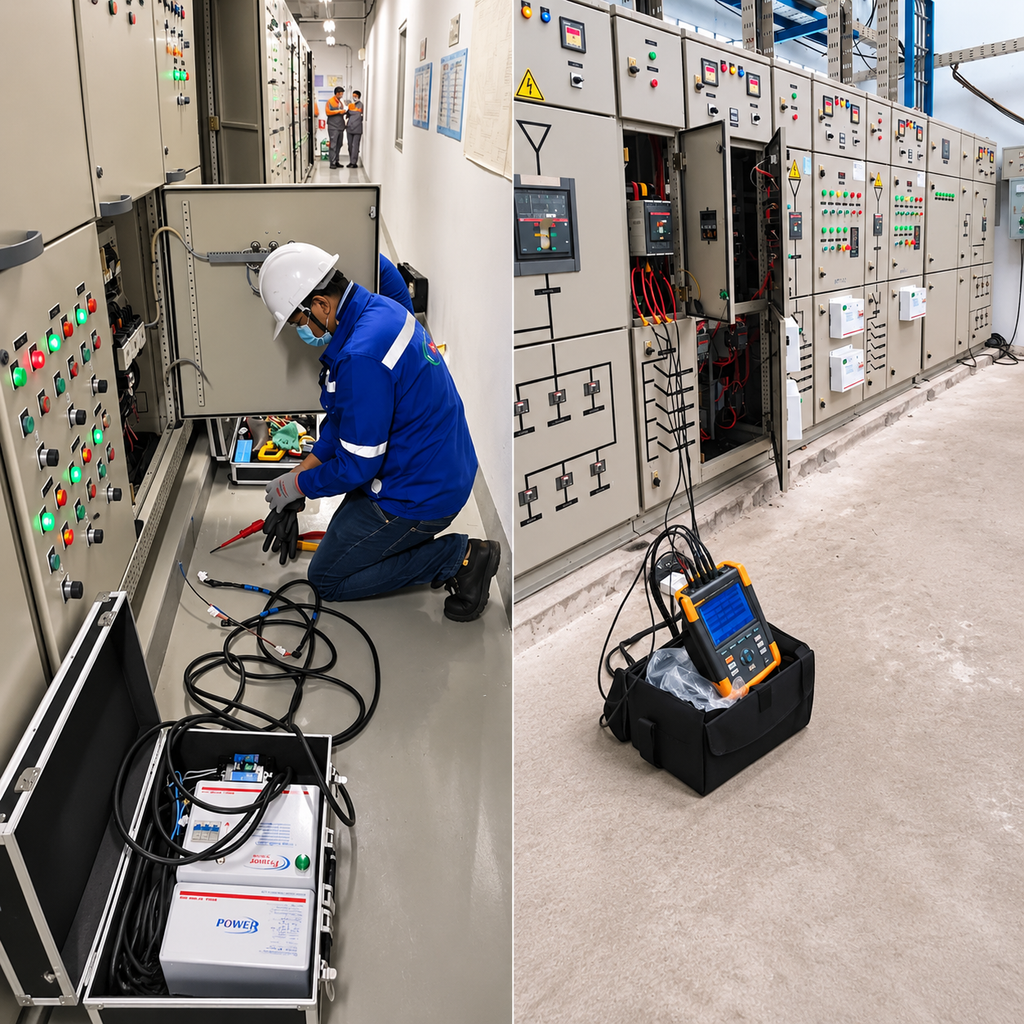
A certified third-party electrical safety auditor or a skilled electrical engineer should perform the audit. Check your local electrical inspectorate regulations and the CEA (Measures related to Safety and Electric Supply) Regulations for legal compliance in India. Monthly inspections can be performed by your internal team, but the most dependable findings come from an annual audit conducted by an independent specialist. A qualified auditor will go through each point of the electrical safety audit checklist and test equipment that visual checks cannot reveal.
Common Mistakes to Avoid in an Electrical Safety Audit Checklist
Use this industrial electrical safety checklist area by area. Mark each item as Pass, Fail, or Needs Action.
1. Documentation and Compliance
- Electrical single-line diagrams are updated and available
- Previous audit reports and corrective actions are recorded
- Licenses, inspection certificates, and test records are valid
- Emergency contact numbers are displayed
- Electrical load calculations are current
2. Main Panels, Switchgear, and Distribution Boards
- Panels are clean, dry, and free from dust and moisture
- Panel doors close properly and are labelled clearly
- No loose connections, burn marks, or overheating signs
- Proper clearance is maintained in front of panels (no storage)
- Danger and warning signs are visible
- Spare openings are sealed
3. Wiring, Cables, and Cable Trays
- No damaged, exposed, or frayed wires
- Cables are properly supported and not overloaded
- Cable trays are free from dust, oil, and rodent damage
- Joints are made using approved connectors only
- Temporary wiring is removed or properly approved
- Cable ratings match the load
4. Earthing and Grounding
- Earth pit resistance is tested and within limits
- All machine bodies and panels are properly earthed
- Earthing connections are tight and corrosion-free
- Earth pits are marked, accessible, and maintained
- Lightning protection system is tested
5. Protective Devices
- MCBs, MCCBs, and relays are working and correctly rated
- RCCB/ELCB units are tested regularly
- Fuses are of the correct rating (no bypassing or wire substitutes)
- Surge protection devices are installed where needed
- Emergency stop buttons work on all machines
6. Motors, Machines, and Drives
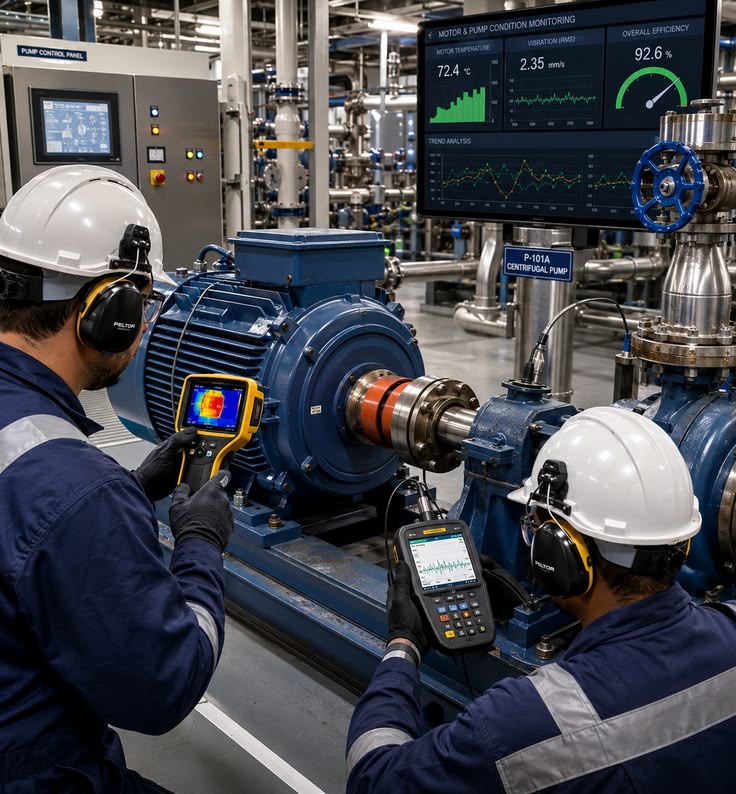
- Motors are not overheating or making unusual noise
- Cooling fans and ventilation are clear
- Terminal boxes are closed and sealed
- VFDs and control panels are clean and properly ventilated
- Machine isolators are accessible and working
7. Lighting and Emergency Systems
- Adequate lighting in work areas, passages, and panel rooms
- Emergency lights and exit signs work for the required duration
- DG set and UPS systems are tested and maintained
- Automatic changeover systems function correctly
8. Thermography and Testing
- Infrared thermography inspection is done on panels, joints, and busbars
- Insulation resistance (IR) tests are recorded
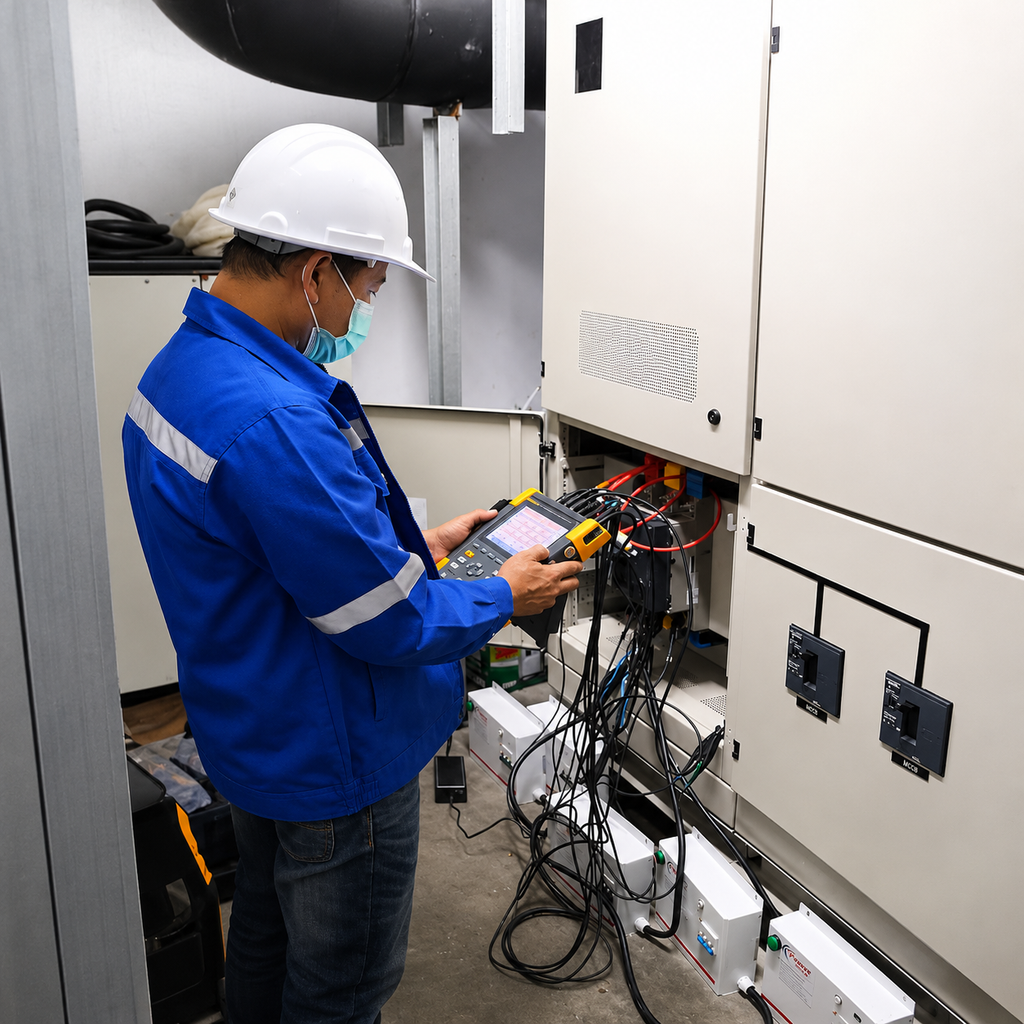
- Power quality (harmonics, power factor) is checked
- Load balancing across phases is verified
9. Fire Protection and Hazardous Areas
- Fire extinguishers (CO2 or suitable type) are placed near electrical panels
- Fire detection and alarm systems are working
- Flameproof fittings are used in hazardous or dusty areas
- No flammable material is stored near electrical equipment
10. Safe Work Practices, PPE, and Training
- Lockout/Tagout (LOTO) procedure is in place and followed
- Insulated gloves, mats, and tools are tested and in good condition
- Workers are trained in electrical safety and first aid for electric shock
- Work permits are used for maintenance on live or high-risk systems
- Electrical accidents and near-misses are reported and reviewed
11. Portable Tools and Extension Boards
- Plugs, sockets, and extension cords are undamaged
- No overloaded multi-plug boards
- Portable tools are inspected and tagged
- Only industrial-grade plugs and sockets are used
How Often Should You Use an Electrical Safety Audit Checklist?
| Inspection Type | Recommended Frequency |
| Visual checks by in-house team | Daily or weekly |
| Panel and earthing checks | Monthly or quarterly |
| Thermography inspection | Every 6 to 12 months |
| Full electrical safety audit | At least once a year |
| Special audit | After major repairs, expansion, fire, or accident |
High-load, dusty, or chemical industries should audit more frequently.
How to Conduct a Factory Electrical Safety Audit (Step by Step)
- Plan the audit: Decide the scope, areas, and schedule so production is not disrupted.
- Collect documents: Gather drawings, past reports, and test records.
- Walk through the plant: Inspect each area using your electrical safety inspection checklist.
- Test and measure: Perform earthing, insulation, thermography, and load tests.
- Record findings: Note each issue with photos, location, and risk level.
- Prioritize risks: Classify as high, medium, or low priority.
- Create an action plan: Assign responsibility and deadlines for fixes.
- Re-inspect: Verify that all corrective actions are completed.
Common Mistakes to Avoid
- Treating the audit as a one-time formality
- Ignoring small issues like loose connections or warm panels
- Using an outdated checklist that does not match your equipment
- Skipping worker training
- Not documenting findings or following up on fixes
- Letting untrained staff handle live electrical work
Electrical Safety Standards and Compliance in India
Indian factories should align their audits aligning your electrical safety audit checklist with CEA and BIS requirements makes inspections smoother with:
- The Electricity Act, 2003 and CEA safety regulations
- The Factories Act, 1948 and your state factory rules
- Bureau of Indian Standards (BIS) codes, such as IS 3043 for earthing
- NFPA 70B and other global best practices for electrical maintenance
Requirements can vary by state and industry, so confirm the latest rules with your local electrical inspectorate. Factories in industrial hubs like Delhi NCR often face frequent inspections, so keeping records ready is a smart habit.
What Should an Electrical Safety Audit Report Include?
A good report should contain:
- Scope and date of the audit
- Summary of findings with photos
- Risk ratings (high, medium, low)
- Test results (earthing, insulation, thermography)
- Recommended corrective actions with timelines
- Compliance status and sign-off by the auditor
Conclusion
A regular electrical hazards in factories is one of the simplest ways to protect your people, equipment, and production. Use the checklist above, fix issues quickly, and keep proper records. Safe electrical systems mean fewer breakdowns, lower costs, and peace of mind.
Frequently Asked Questions (FAQs)
What is included in an electrical safety audit checklist?
A complete electrical safety audit checklist covers documentation, panels, wiring, earthing, protective devices, motors, lighting, fire safety, testing, PPE, and worker training.
How often should a factory conduct an electrical safety audit?
At least once a year. High-risk or heavily loaded plants should do it every six months, plus after any major electrical change or incident.
Is an electrical safety audit mandatory in India?
Periodic inspection and testing of electrical installations are required under CEA regulations and state rules, and many insurers expect audit records. Check your state’s electrical inspectorate for exact requirements.
Who can perform an electrical safety audit?
A qualified electrical engineer or an accredited third-party auditor with experience in industrial installations.
How long does a factory electrical safety audit take?
Small units may take 1 to 2 days, while large plants can take a week or more, depending on size and testing scope.
What is the difference between an electrical audit and an electrical safety audit?
An electrical audit mainly checks energy use and efficiency, while an electrical safety audit focuses on hazards, protection, and compliance.
Comments are closed